
💥 💻 Welcome to EWS STEAM 🌐 💥
A year in the life at Emma STEAM!
Updates
October 3, 2024 – Edith & Emma
The goal of our project is to create a blog that shows a year in the life as a STEAM student at Emma. We are regularly documenting and sharing the monthly progress of all STEAM 9 and STEAM 10 projects this year. We hope that our project will show prospective Emma students and the wider community in general the amazing opportunities the Emma Willard School offers for girls interested in diving into STEAM.
October 14, 2024 – Edith
We have finished coding the general structure of our STEAM archive website. We currently have a profile page for every STEAM 10 project this year, and we have also decided on a blue-and-white color scheme. I downloaded VisualStudio and installed the LiveShare extension, which enabled me to collaborate with my partner. We used both HTML and CSS languages; the former for the website’s layout, the latter for formatting. For example, we used the Nav tag and href to create the navigation bar using HTML, and we used the inline layout of CSS to create a horizontal bar for the projects.
We have plenty of next steps to take. First, since we would like to publish the website, we need to find a catchy domain name — we are thinking of using GoDaddy.com right now. We are also working on a Google form to send to all the STEAM 10 teams to gather information about their projects that we will include in the archive. We envision the end product as a publicly accessible documentation of “a year in the life of a STEAM student at Emma,” which will potentially introduce this unique program for both aspiring Emma girls and college admissions officers.
October 16, 2024 – Emma
For our project in STEAM 10, I will focus on building a digital archive for steam 10 using HTML, CSS, and Visual Studio Code. This archive will serve as a collection of projects from the four groups, showcasing their work in the fields of science, technology, engineering, art, and math. Edith and I will gather information from these groups to create individual webpages that highlight their projects. The design aspect is important, I want to make each project its own unique style that reflects its theme while maintaining a modern and clean overall structure.
As part of this process, I’ll be collaborating closely with my teammate Edith. We will refine and enhance the visual appeal of our pages. We’ll work on the layout and color schemes to make sure the archive is aesthetic. I expect the outcome to be a well-organized and creative collection of projects, where every webpage has its own identity.
November 4, 2024 – Edith
After finishing the basic code for our website, we started looking at platforms which would allow us to buy a domain. We decided to use WordPress because it allows for full customization of the code. We named our domain http://www.ewsteam.org and set it up. We decided to use a blog template the platform offers because it is a good starting point to make sleek visuals; the next step would be to figure out a way to upload our code into the editor. However, if that does not work out for whatever reason, we are prepared to work with the template.
Since our project is an archive of all STEAM projects this year, we plan to collect information on each project’s progress every month with Google Forms. We included check-in questions about progress (such as the current research question, their anticipated end product, and what they are working on) and group preferences so that each section of our website will turn out as each group wants. We included questions about what color scheme each group wants to use and informed them the privacy concerns of a public website. We plan to regularly update our website with information collected from these check-ins.
November 7, 2025 – Emma
For our STEAM 10 project, we have a domain name now, ewsteam.org, which will be the website for showcasing our work. To make editing and managing the website easier, we’ll be using WordPress as our main platform. We recently completed and sent out form that allows each group to submit their design ideas and project summaries, ensuring we have all the details needed to build comprehensive pages for each project.
Our next step is to start building the webpage itself. We’ll use the information collected through the form to create unique pages that highlight each project’s theme. This will allow visitors of the website to explore the creativity and effort behind each group’s work. We will organize the responds next.
November 18, 2025 – Edith
After sending our check-in forms last week, we have received a response from each group which contains information we need to build a detailed page for each project. We learned to upload our VisualStudio code onto WordPress and create one subpage for each project. We tested to make sure both our HTML and CSS are working as intended, and we used each group’s responses to build each project page, combining our codes and the WordPress template for a more polished and elegant look. We included facts each group feels comfortable including, uploaded their pictures, and applied their preferred color schemes.
For our next step, we will continue to fine-tune the formatting of each project page and finish uploading all the content. We will also start planning our December check-in form. Since we will update the website monthly, we will create a Blog section where, each month, we give an overview of all the teams’ progress, potentially with fun elements like student Q&A’s that we are still thinking about. It has been challenging to navigate the WordPress interface, since it has separate editors for HTML, CSS, subpages, and the homepage. We are working on familiarizing ourselves with WordPress to work efficiently.
December 9, 2025 – Edith
We followed our planner and continued to expand our website. Out of the 5 STEAM 10 projects, we have created subpages for 3 projects, following the color schemes, symbols, and content each team specified in the introductory Google Forms survey we sent out last month. We learned to make clickable links in our homepage that directs the visitor to the intended subpage. We also began writing our December updates form, which will be different from the November form, since it will be a regular update instead of an introductory survey. We plan to send the same form every month afterwards.
We are working on using CSS to style the subpages. Even though we were able to apply CSS to our homepage, we are still trying to figure out how to apply CSS to a specific project page without affecting other pages. We plan to use online resources including forums and references to help us learn to style subpages. We are also trying to come up with a set of survey questions that will apply to every month starting from this month. These questions must be general enough to apply to all projects but specific enough for us to get informative updates for each project’s subpage.
January 13, 2025 – Edith
Over the past week, we have been working on establishing clear and achievable goals for each week in January and February. Our plan is as follows:
January Week 1: add headers to every page; fill in information on the STEAM 9 page January Week 2: fix design bugs (including overlapping, layering, and font sizes) on the homepage January Week 3: meet STEAM 9 students and send out our January survey to both STEAM classes January Week 4: publish the first newsletter for both STEAM classes
February Week 1: work on the CSS for the Hydroponic Flower and STEAM Website subpages February Week 2: debug any issues that may come up, and keep fine-tuning the CSS February Week 3: send out the February survey to both STEAM classes February Week 4: publish the second newsletter for both STEAM classes
January 15, 2025 – Emma
Through winter break Edith worked a lot on designing the main page. For my two pages, I feel like the design is done, the next step is on the content (which we will get from the forms).
Some ideas I might want to try:
Make a video and show it when people click into the webpage.
Make multiple choice questions on “knowledge” part, for people to try out.
Make some words stand out by adding color effects.
Learn more about html and css…
January 29, 2025 – Emma
This period I worked a lot on the content, for example adding updates, and tech people some html knowledge. I learned how to add pictures and audio. I want to work on having a quiz for the knowledge and I will learn and work on that next.
January 29, 2025 – Edith
This week, we have been following our planner closely to accomplish the goals we set each week. I refined the CSS for the 2 subpages assigned to me: Roblox Titanic and the Archives Podcast, fixing scrolling bugs and adding clickable headers linked to other pages for each subpage. Emma completed the CSS for her 2 subpages and successfully added science songs she composed to our website, which we think are creative and should be engaging for our target audience of middle-school Emma applicants. People from more than 20 countries have visited our website so far! We have also completed and revised our survey forms for both STEAM 10 and 9 groups, and we look forward to meeting STEAM 9 teams for the first time next week.
Fixing our homepage, though, turned out to be more challenging than we expected. We overrode the template with uploaded HTML and CSS to enable horizontal scrolling, which has caused a lot of bugs — namely, overlapping and elements misplacing — due to its incompatibility with WordPress display. Even though we managed to fix the formatting on desktop computer screens, the display on phone screens is still unreadable because of pictures blocking text underneath. We plan to use resources including YouTube tutorials and online forums on UX design to make sure our website displays correctly on all screens.
February 25, 2025 – Edith
Since the start of this semester, we added pictures, audio, and videos with CSS to our respective subpages. Emma added songs and videos to her subpages, and I added pictures to my subpages. I created a new subpage for our new Spring Semester elective, STEAM 9. We debugged the scrolling and overlapping while adding clarifying features such as headers for each page. I also made Google Forms for both January and February for both STEAM classes. Using this information, we sent out the first edition of our monthly EWS STEAM newsletter, which we have started promoting through campus screens and Student Weekly.
We are excited for our progress keeping up with all the projects and making updates on time. We also hope our viewers will find the new features as interesting as we intend for them to be; the songs, videos, and newsletter should hopefully be engaging and draw more viewers to our website. I think we are also learning HTML and CSS at a reasonable pace, as we have already learned basic website structures, formatting, and solving more advanced issues such as scrolling orientation, element placement, and animations. For the rest of this semester, we hope to continue to make regular updates and upkeep the website to enhance the UX and quickly debug any issues that may come up.
February 26, 2025 – Emma
Midway through the semester, I am pleased with the progress I have made on my work for the EWS STEAM website. One of my best achievements has been consistently enhancing the two subpages I am responsible for. I have added new material, engaging videos, and sound bites in order to enhance the user experience. These incorporations also make the pages more interactive and informative, allowing visitors to learn about our project more thoroughly. Secondly, I am learning how to properly incorporate images and symbols, which is causing me to enhance my web design capabilities.
One of the most significant issues I solved was fixing a styling issue on the homepage. Initially, some of the text was being blocked by shapes, affecting the look and usability of the site. By adjusting the CSS, I successfully fixed the issue, improving the readability and overall look of the website. Through this process, I gained additional knowledge of CSS styling and layout adjustments, which will be valuable for future web development projects.
In the future, I will continue to expand the website, making both content and design more streamlined. I will also collaborate with my partner Edith to get more substantial information and maintain the site informative and well-organized. I am excited to see how much more I can accomplish in the second half of the semester!
April 9, 2025 – Emma
I think our website is nearly complete, we still need more information about STEAM 9 for that page, and we will continue to work on the newsletter.
My two subpages are updated to the newest information, and we still need to wait for their April form to be filled out, so I can do further updates.
For the plants’ group page, I don’t know how to make the image insert right now, but I think I will try to figure it out between now and next week. (I think it’s because originally I did it on code and now there’s the wordpress thing.)
The main page is now formatted correctly with a special format on phones also, so you don’t need to look at it on computers!
I still need more information about key terms (example shown in picture) of each project (if that’s not important, I can also delete the section.)
April 30, 2025 – Emma
Over the past few weeks, I finalized our website and made several improvements to my assigned sections. Edith contributed new information to the STEAM 9 page, while I focused on updating my two subpages with the most recent data from our hydroponic flower project. I reviewed and organized all previous updates to ensure clarity and consistency, then added new content, including photos from their latest experiments. One major improvement was learning how to insert multiple images efficiently into our pages—this allowed me to better showcase their progress visually. I also decorated parts of the site using emojis 🌱🌸 to give it a more cheerful and engaging aesthetic.
Throughout this process, I practiced using CSS to improve layout and styling, gaining confidence in web design. I also helped fixing minor formatting issues and made the site more clean. Overall, I’m proud of the updates I’ve made and excited to keep refining the site for our final product.
HTML & CSS Terms
HTML (HyperText Markup Language): The standard markup language for creating web pages.
Tag: The basic building block of HTML, used to define elements.
Element: A combination of an opening tag, content, and a closing tag.
Attribute: Provides additional information about an element.
DOCTYPE: Declaration at the start of an HTML document specifying the HTML version.
Meta Tag: Provides metadata about the HTML document. Ex.meta charset=”UTF-8″
Anchor Tag: Used to create hyperlinks.
Div: A container element used to group content.
Span: An inline container used to group content for styling purposes.
Form: Used to collect user input.
CSS (Cascading Style Sheets): A stylesheet language used to describe the presentation of a document written in HTML.
Selector: Specifies the HTML elements to style.
Property: A characteristic to style an element.
Value: Specifies the setting for a CSS property.
Class: A reusable style applied to multiple elements.
ID: A unique style applied to a single element.
Pseudo-class: Defines the special state of an element.
Box Model: Describes the rectangular box generated for an element.
Flexbox: A CSS layout mode for aligning and distributing elements.
Grid: A CSS layout system for creating complex web layouts.
Information below ⬇️ is AI Generated, FAKE.
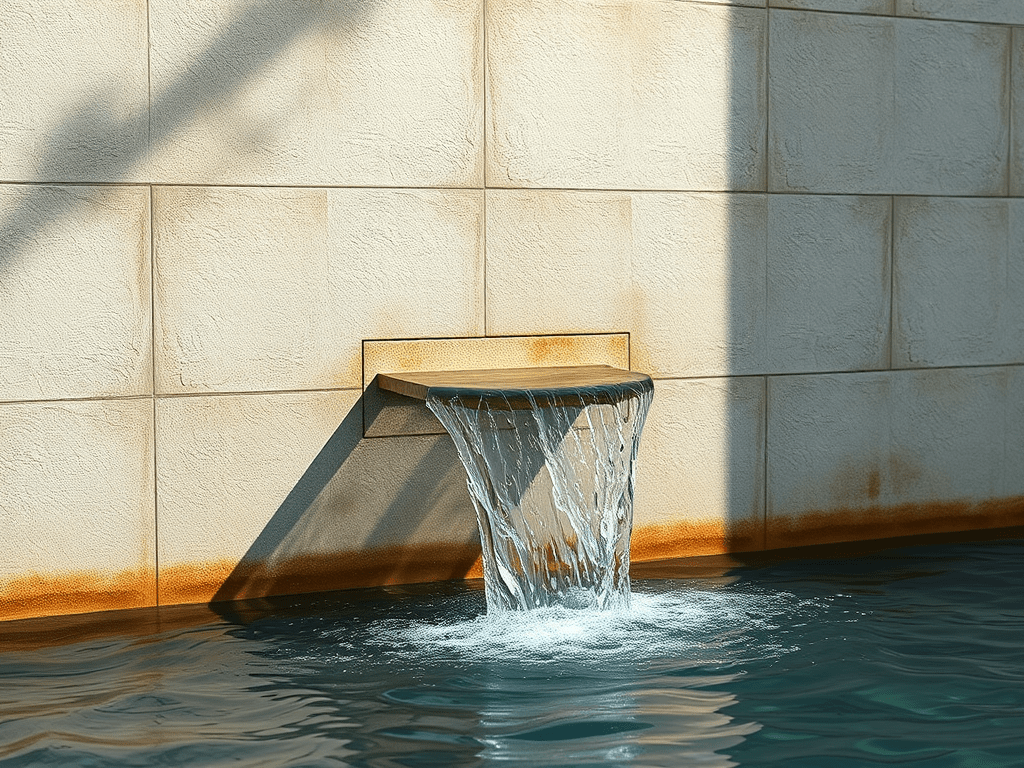
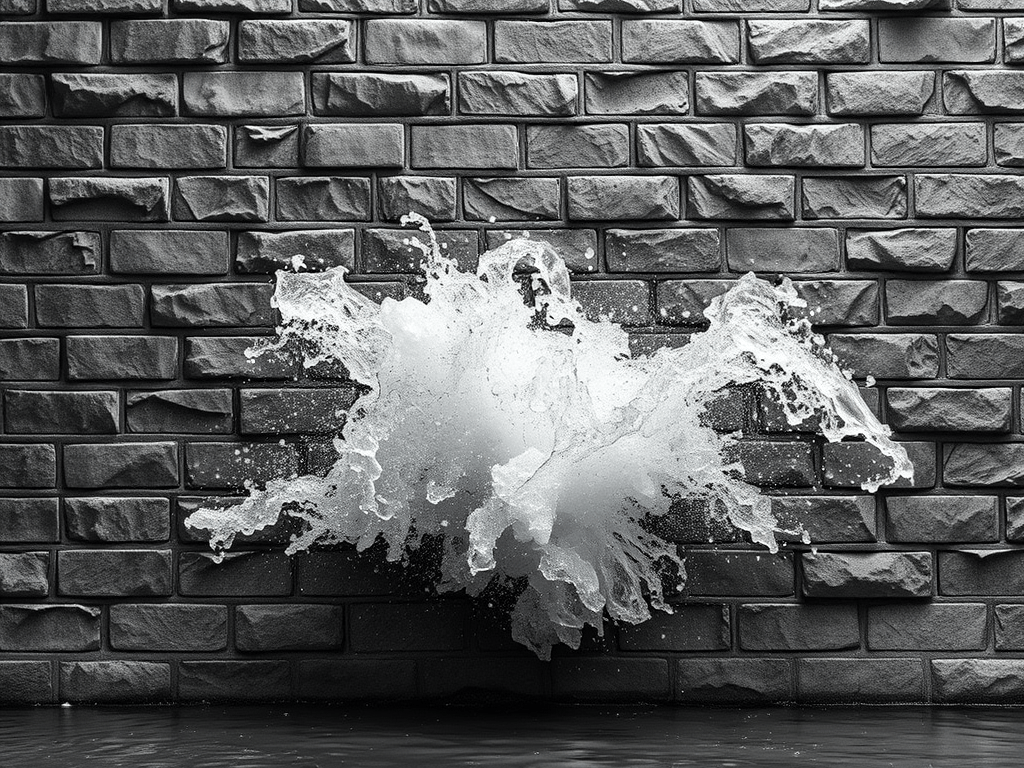
Interstitial (noun/adjective): (n.) The mysterious, forbidden space between two things where water, upon entry, decides to completely lose its chill and EXPLODE in a dramatic display of physics that no one asked for. Example: “I dropped an ice cube in the interstitial gap of my couch, and now my entire living room is a swamp.” (adj.) Describing a situation where water, instead of behaving like a respectable liquid, finds itself squeezed into tiny spaces until it panics, throws a tantrum, and detonates like an overcaffeinated geyser. Example: “The interstitial water in my pipes turned my kitchen into a free, unexpected water park when the pressure got too high.”
Ratium: A newly discovered element on the periodic table, atomic number 729.
Monkerat: The Monkerat (Monkeratus maximus jumpatus) is a highly volatile, semi-mythical mammalian organism resulting from an aggressive evolutionary convergence between small primates (monkeys) and hyperactive rodents (rats). It is characterized by its disproportionately powerful hind limbs, chaotic leaping behavior, and unfounded self-confidence. The Monkerat exhibits exceptional vertical mobility, capable of executing parabolic jumps exceeding 27 times its own body height, often for no observable purpose.
Yellowphant Bee: The Yellowphant Bee (Bombus elephas detonateus) is a catastrophic entomological aberration resulting from the spontaneous fusion of a standard honeybee with an enraged juvenile elephant. It is renowned for its oversized cranium, explosive temperament, and regrettably literal self-destruct mechanism.
Peagle: The Peagle (Aquilauris urinata invicta), commonly known as the “pee eagle,” is a bizarrely resilient avian organism formed by the cursed alchemy of liquid nitrogen-level bladder strength and raptor-level battle instincts. Distinguished by its immunity to sonic attacks, bladder-based propulsion systems, and fierce independence, the Peagle is considered one of the most chaotically majestic creatures in the semi-mythical zoological archives.
Inbo Fish: The Inbo Fish (Inbocanthus bruluensis maxvocifera), commonly called the “音波鱼” (“Inbo Fish”), is an aquatic biological phenomenon notable for its complete absence of meaningful language and exclusive reliance on two emotionally charged vocalizations: the extended “布噜———!!!” and the enraged “嘎啊啊啊!”. Evolved in extreme sonic environments, the Inbo Fish weaponizes raw sound pressure as its primary mode of communication, hunting, defense, socialization——and passive-aggressive arguments.
Inbo Chicken: The Inbo Chicken (Gallus bruluensis absurdicauda), commonly referred to as “音波鸡,” is a biologically improbable avian entity descended from early sonic poultry experiments gone wrong. Notable for its lack of intelligence, self烤 (auto-roasting) tendencies, and violent rivalry with 音波鱼 (Inbocanthus bruluensis), the Inbo Chicken is an evolutionary case study in how chaos sometimes wins.
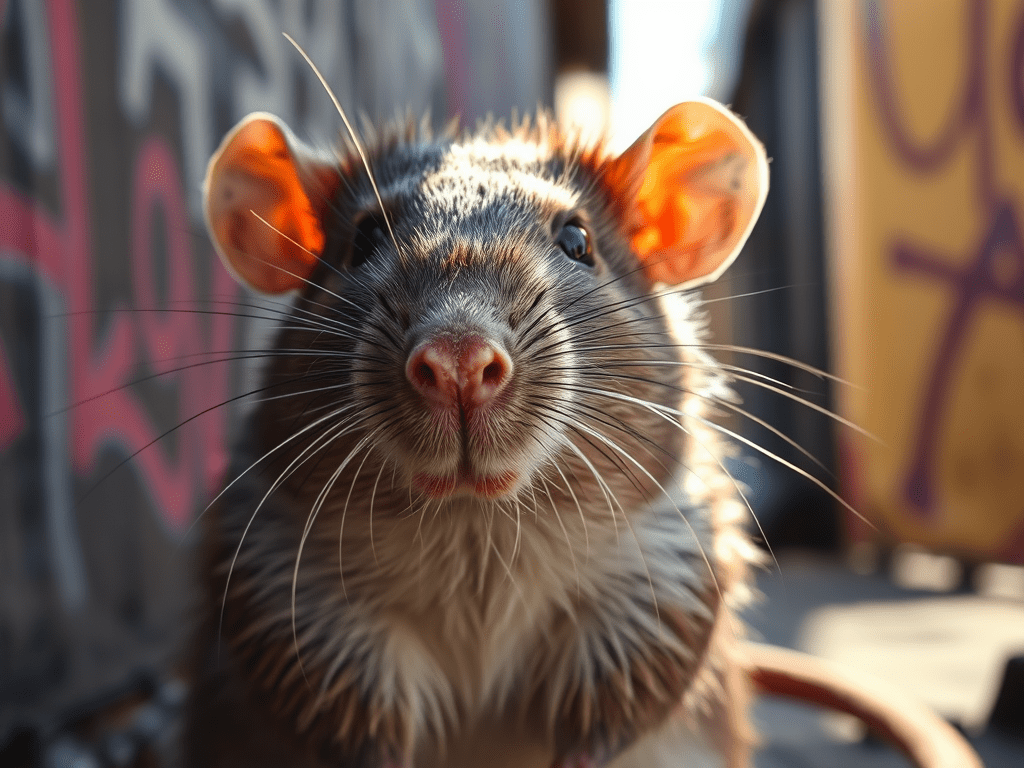
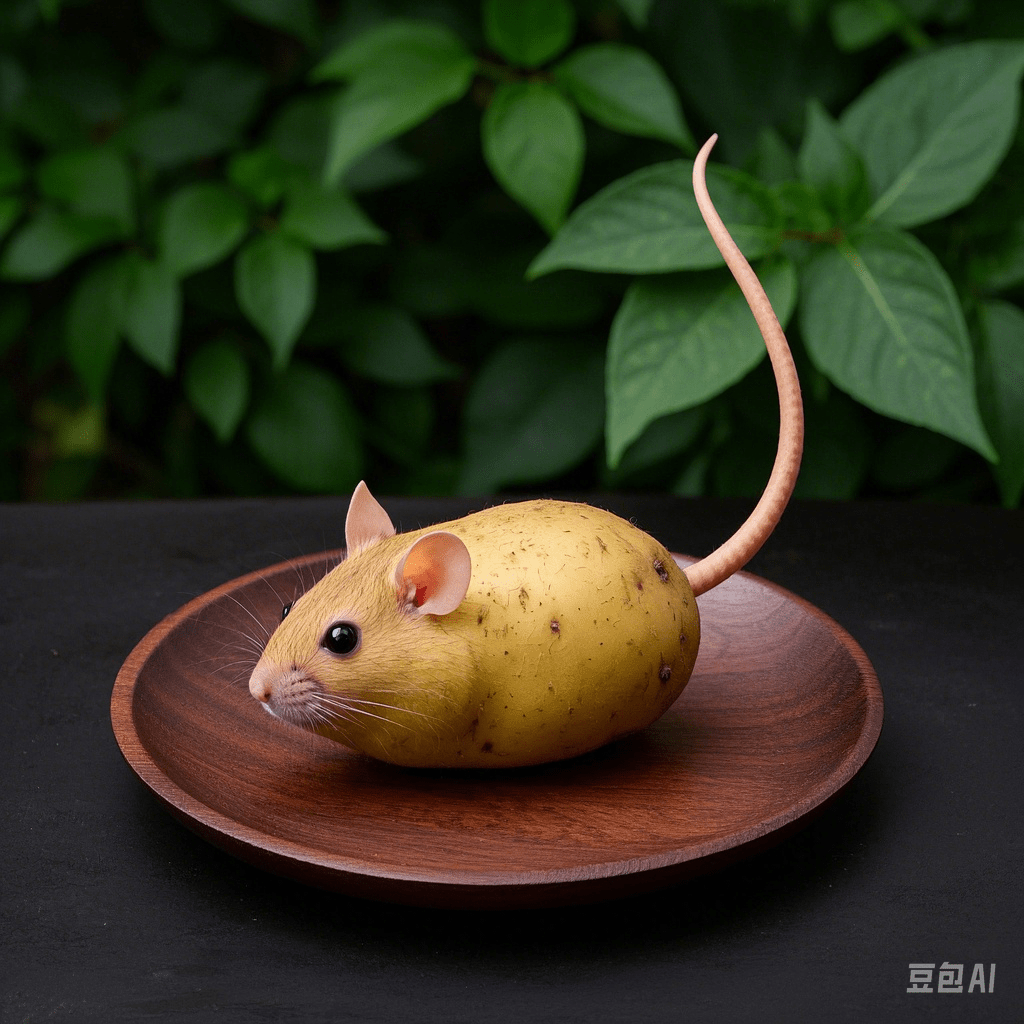
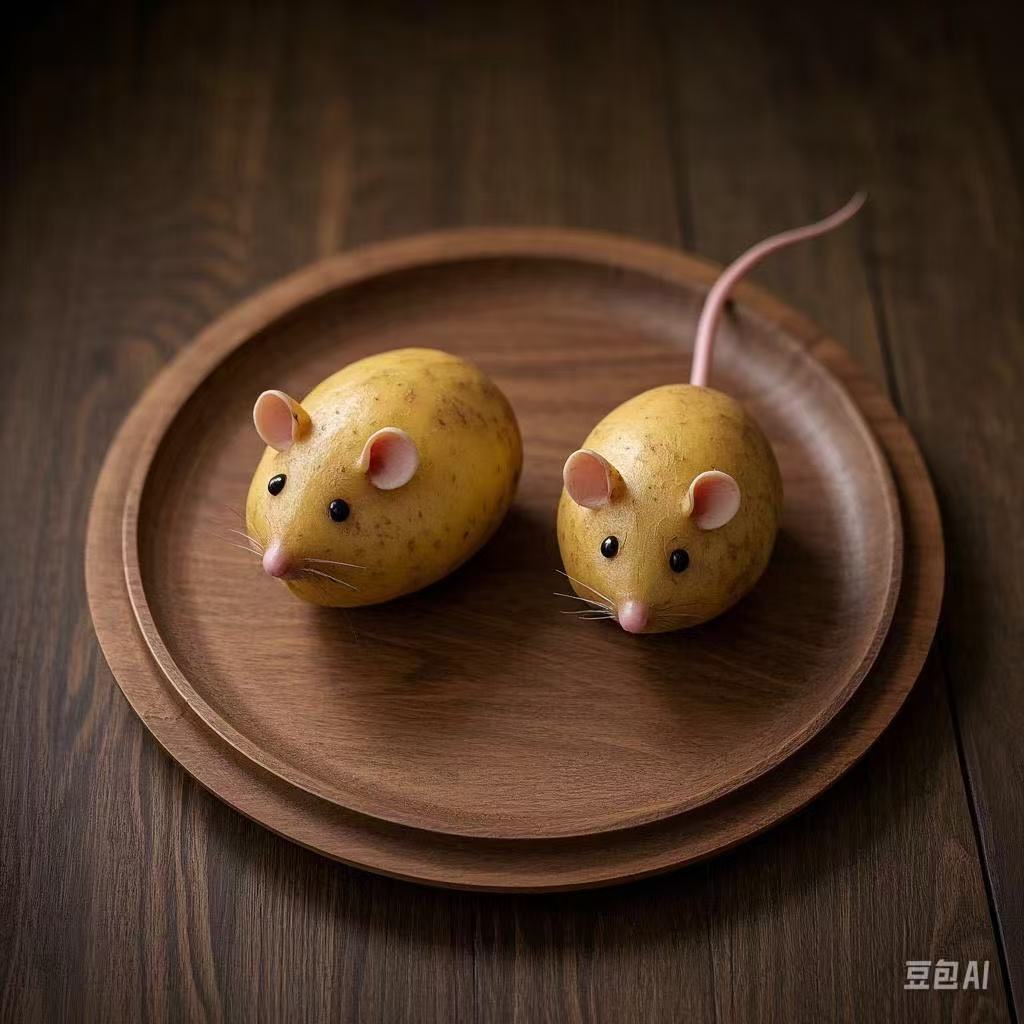
Mingrat: The Mingrat (Famus musculus calculatrix), commonly known as “名鼠”,is a hyper-evolved rodentian organism engineered through reckless bio-alchemy combining the genetic overconfidence of a potato with the maniacal ambition of a laboratory rat. Distinguished by its ability to solve calculus problems, determine electron configurations, and display an unsettling degree of smugness, the Mingrat is considered the first species fully capable of academic warfare.
Red Mingrat: The Red Mingrat (Famus bataticus ignitus), colloquially referred to as 红名鼠, is an evolutionary offshoot of the Mingrat lineage formed through symbiotic fusion between a genetically overclocked sweet potato (Ipomoea batatas) and a knowledge-obsessed rat. It represents the first naturally occurring plant-animal hybrid capable of photosynthesis and calculus.
Tomatorat: The Tomatorat (Famus solanifera dormilux), also known as 茄鼠(番茄鼠), is a gentle, semi-liquid-inclined variant of the Mingrat family. Born from the fusion of a sleep-prone rat and an emotionally unstable tomato, the Tomatorat exhibits excellent memory retention, advanced academic processing, and spontaneous juice leakage under emotional duress.
Soap Rat: The Soap Rat (Famus saponiensis disgustica), commonly known as 皂鼠, is a deeply unsettling and almost universally reviled offshoot of the Mingrat evolutionary line. Although it retains the high-level intellectual capacity of its Mingrat relatives — mastering calculus, electron configuration, and data processing — its visceral unpleasantness and bizarre hygienic properties make it a biological tragedy rarely allowed to reproduce.
Doggle: (Canisaquila barkivora rampagica) The Doggle, or “狗鹰,” is an air-ground hybrid organism born of an unnatural alliance between a territorial domestic canine and a militant eagle. Characterized by its relentless barking, aerial strafing behavior, and disturbingly wagging tail mid-flight, the Doggle defies both ecological logic and basic noise ordinances. With a wingspan of up to 3 meters and a bite force capable of puncturing light armor, the Doggle is often deployed in illegal sky-herding operations and unsolicited backyard dominance displays. Its primal instincts are described by experts as “air superiority with leash trauma.”
Poogle: (Scatalogle defecatus ascendicus) The Poogle, or “屎鹰,” is a grotesquely adapted carrion-avian abomination resulting from failed bio-waste recycling initiatives in high-altitude ecosystems. Sporting a hardened cloaca and an uncanny talent for trajectory-altering fecal propulsion, the Poogle patrols the skies with malicious digestive intent. Notable for its ability to launch hyper-concentrated dung missiles at targets over 100 meters below, the Poogle has become a subject of legal debates in both airspace law and public sanitation codes. Its presence is often identified by a sickening whiff and a soft “plop of doom.”
Famous Bobo Fish: The Famous Bobo Fish (Famus bruluquaticus detonatus) is a semi-aquatic descendant of the Mingrat genus — is a volatile, water-bound creature resembling a slightly moist rodent with the explosive sonic capabilities of its Inbo Fish cousins. Residing in acoustically active coral reefs, it emits sonar shrieks ranging from playful “布噜咕噜咕噜!!!” to weaponized “嘎啊啊啊啊!!” capable of disorienting submarines and shattering glass-bottom boats. It is the only known species capable of calculus-based echolocation and mid-combat integral-solving, often pausing in battle to smugly annotate water currents with imaginary numbers. It does multivariable calculus, with an especial preference for taking mixed second partial derivatives with Clairaut’s theorem.
Space Frog: The Space Frog (Rana astralis divulsor), known as “太空青蛙”, is an interstellar amphibian entity born from gravitational dream-condensates in the upper rings of fluidic exospheres. It specializes in Rendwater—a fourth-dimensional technique of molecular unweaving—which causes ordinary liquids to emotionally collapse. Revered for its cryptic leaping logic and aggressive aquatic philosophy, the Space Frog communicates via sonic eye contact and has no concept of personal space.
Longneck Bird: The Longneck Bird (Avis cervicalis grotesqua), commonly dubbed “大脖子鸟,” is a biomechanical ornitho-beast with a tragically extended cervical spine and a personality disorder. Originally bred for horizon surveillance, its neck evolved beyond aerodynamic sense. Prone to disoriented flailing and tragic poetry, the Longneck Bird frequently causes aviation accidents, both emotional and literal.
Tabonkey: The Tabonkey (Simia mensatica absurdum), or “桌猴”, is a cryptozoological primate with a flat cranial plane, often mistaken for portable furniture. Engineered from experimental classroom stress and caffeine fumes, the Tabonkey’s defining trait is its ability to become inert under direct questioning. Can be used as a table, a scholar, or a disciplinary warning. Not suitable for children under 12 due to spontaneous grading.
Ice Mingrat: The Ice Mingrat (Famus musculus glaciatus), known as “冰名鼠”, is a cryogenically-altered variant of the baseline Mingrat, formed through exposure to hypercooled academic failure. It maintains the cognitive prowess of its potato-rat ancestors while emitting constant cold air and emotional detachment. Perfect for solving cold cases, both mathematical and emotional.
Big Rag Monster: The Big Rag Monster (Tragopannus mopzilla hyperabsorbicus), known as “大抹布怪”, is a massive fibrous entity born from the entropy of neglected cleaning duties and latent household resentment. Composed entirely of sentient microfiber, it absorbs not only liquids but also regret. Classified as a Class-III domestic anomaly, the Big Rag Monster is resistant to all detergents and immune to folding. Its presence causes mild existential dread and extreme slipperiness. Speaks exclusively in soggy metaphors.
Little Mop: The Little Mop (Moppia minoris clingica), or “小抹布”, is a docile fragment of the Big Rag Monster, frequently mistaken for a depressed floor accessory. Despite its small size, it forms unhealthy attachments to dust particles and forgotten corners. When agitated, it emits faint squeaking apologies. Little Mops often gather in attics to discuss hygiene philosophy and shed lint tears.
Cucumber Rat: The Cucumber Rat (Famus cucumis detatchica), known as “黄瓜鼠”, is a legendary solitary Mingrat subspecies characterized by its vegetal lineage and icy detachment. Allegedly descended from a cucumber and an emotionally unavailable rodent, it is the only member of its species and capable of voluntary human transformation. It dislikes eye contact, cucumbers, and all forms of small talk. When approached, it responds with silence sharp enough to pierce melon.
Heart Rat: The Heart Rat (Famus cordatus), known as “心鼠”, is a tragically extinct ancestral Mingrat that once balanced emotional intelligence with computational efficiency. Revered for its ability to solve calculus problems using empathy alone, the Heart Rat vanished after the global heartbreak of 1997. Fossils indicate it possessed four tiny hearts and cried in ternary code. Believed to be the emotional predecessor of all modern name-rats.
Lag Fish: The Lag Fish (Piscis laggaris framestoppicus), is a temporal aquatic anomaly that swims discontinuously through existence. Discovered in corrupted underwater video recordings, it exhibits jittery behavior, frequently pausing mid-bubble. When startled, the Lag Fish emits loading circles and may cause buffer-induced hallucinations in nearby organisms. Highly unstable in multiplayer tanks.
Frost Dragon: The Frost Dragon (Dracofrigidus glaciomutabilis), or “冰霜龙”, is an ultra-rare evolutionary final form of the Ice Mingrat. Attainable only through selective cryo-education and complete emotional anesthesia, the Frost Dragon possesses full linguistic capabilities and a repertoire of innate cryomagical abilities. It retains faint memories of its potato-rat lineage, occasionally mumbling math solutions in its sleep. Upon achieving full sentience, it can take on human form but struggles with warmth—both physical and emotional.
Frost Bunny: The Frost Bunny (Lepufrigidus glaciomutabilis), or “冰兔兔”, is a parallel evolution to the Frost Dragon, diverging through exposure to loneliness and polar algebra. Originating from Ice Mingrats that formed strong emotional bonds with snowflakes, the Frost Bunny evolves into a humanoid form capable of communicating in human language and wielding ice-based magical abilities. It frequently wears mittens, even as a dragon-bunny hybrid, and expresses affection through freezing rain.
About Us
Edith
My name is Edith, and I am a new sophomore at Emma Willard School. Currently, I am taking Chemistry with STEAM 10. My interest in research started last summer, when I worked on a project at the University of Chicago to sequence the human genome and study one mutation that affects congenital cataract. I am excited to combine my passion for research and my experiences participating in international programming competitions to create a platform with my partner Emma for the Congressional App Challenge.
My goal is to improve my coding and graphic design skills while enjoying the competition aspect! Also, since it is a published blog of a year in the life as a STEAM student at Emma, we plan to show prospective Emma students and the community in general of the amazing opportunities for girls interested in STEAM that Emma offers!
Edith love Famous Rat.
One day, when Edith returned to her room as usual, she froze in place.
The room was full with calculus, books, exercise books, papers, and even the bed was full of them. Edith exploded, “I have no idea where this came from.”
With irritation, Edith decided to clean them out. She picked up a large pile of calculus data, opened the window and threw it outside. But when she turned around just after she threw out all of the calculus, the calculus unexpectedly neatly appeared in the room.
Edith can not believe her eyes, she again picked up those data, crazily rushed out of the Main Dorm, throw all of them far away. However, when she returned to the room again, everything was as usual, and calculus appeared in the room.
Calculus again and again neatly appeared in the room. Now, Edith’s room was still filled with the weird calculus.
Emma
My name is Emma, and I am a sophomore with a passion for learning and exploring new ideas. I am interested in STEAM 10 because it combines three of my favorite subjects: science, math, and art. I enjoy solving problems and thinking creatively, and STEAM 10 allows me to use my creativity and skills in a project which contains a lot of new concepts. By diving into STEAM 10, I hope to gain new skills and insights that can help me grow as a student and prepare me for exciting future opportunities. Also, our website will be perfect!!! (I guess)
Inbo Fish:
Potato Rat:
Gallery



Poster

Audio List
1. Math
Sine Cosine Cosine Sine Cosine Cosine Sine Sine Sign🎵🎵🎵💥
2. Chemistry
SSP SPS DPS DPS🎵🎵🎵💥
3. School Explode Series
🎵🎵🎵💥
4. RATRATRAT
5. THE ZOO
Yellowphant BEEEEEEEEEEEEE!
Creature Knowledge Quiz
-
What is the primary vocalization of the Inbo Fish?
Woof Woof
BLUUU———!!! and Gaaaa!
Meow
Silence
-
The Peagle is immune to what?
Gravity
Fire
Sonic attacks
Taxes
-
What horrifying skill does the Poogle possess?
Baking cupcakes
Fecal propulsion from 100 meters
Healing magic
Singing opera
-
What creature can do calculus while underwater?
Longneck Bird
Ice Mingrat
Famous Bobo Fish
Tabonkey
-
What is the Red Mingrat partially made of?
A tomato
A sweet potato
A rock
Cheese
 ewsteam.org